Monday, January 4, 2016

Science Proves Ashtanga Yoga Is Good For You #Yoga #Ashtanga #AshtangaYoga #YogaHealing #AshtangaHealingTherapy


RELATEDThe Old School of Ashtanga Yoga
Great news! Scientists have proven what we yogis have been experiencing for ourselves: that yoga can have a profound impact on our physical health and mental wellbeing, fast.

Here’s the skinny.

In collaboration with the University of London, Pattabhi Jois-authorised Ashtanga teacher Charlie Taylor-Rugman gathered a sample group of 22 complete yoga beginners (10 males, 12 females) and taught them the Ashtanga Primary Series for eight weeks.
Each class was 60 minutes long and followed the same sequence each week, with specific emphasis on alignment, breath, and mindful movement.
Each week students were guided through Sun Salutations, standing postures including Trikonasana (Triangle) and Prasarita Padottanasana (Wide-Legged Forward Fold), then Dandasana (Staff), Paschimottanasana (Seated Forward Fold) and Purvottanasana (Upward Plank).
This was then followed by three seated finishing poses and final relaxation.

The results speak volumes.

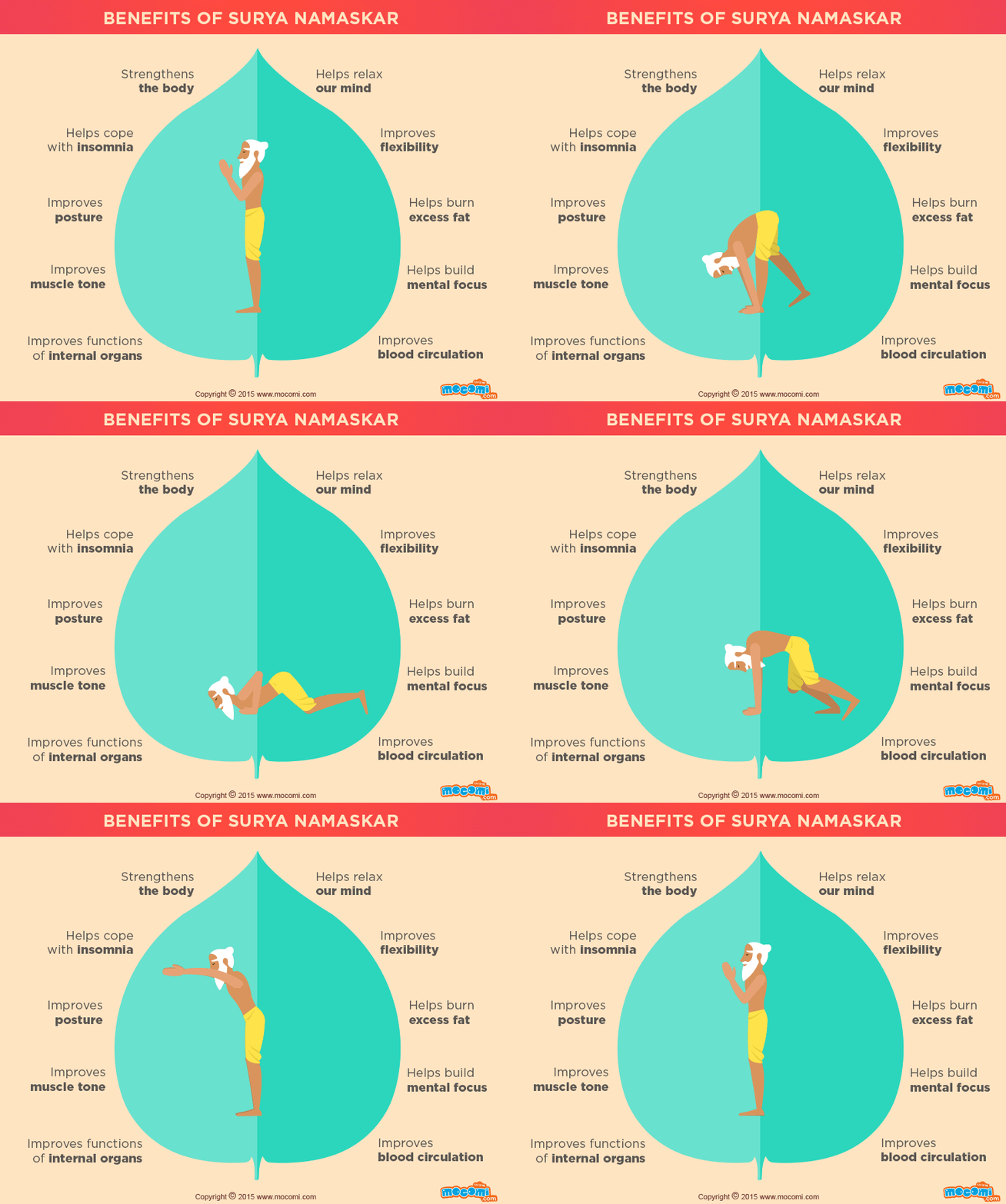
After eight weeks, participants demonstrated significant improvements in upper body and core endurance, trunk and hamstring flexibility, shoulder and ankle-calf flexibility, as well as a reduction in total body fat percentage.
Results also suggested there were beneficial effects on the subjects’ overall mental wellbeing.
Said one participant, “When I took place in this study, I was a complete beginner. I’m amazed at the transformation in just eight weeks. I’m noticeably more flexible, stronger, and feel much calmer.”

Yoga works.

This study is a huge step forward in solidifying the hearsay about how yoga can help and heal.
Said Charlie Taylor-Rugman, “I have practiced yoga for more than 20 years, and working in this study has demonstrated what I’ve known for years: that yoga works. What’s more, anyone can reap the benefits of the practice in a short space of time.”
While the Hatha yoga texts may tell us much on how asana contributes to our health, Western science is now beginning to broaden the picture by offering fresh perspectives and insights and blending Eastern philosophy and practice into its toolkit.
The mystical and mythical is merging with our own particular brand of homegrown logic, revealing the deeper dimensions of yoga and expanding our understanding of the practice.
Studies like this help yoga shed its former ‘just for hippies’ shadow, letting it be taken more seriously by the medical profession as part of a holistic approach to maintaining health and preventing disease.

How does yoga work?

I asked Charlie why he thinks yoga works. He said the immediate impact of moving the body in a controlled and focused way, emphasising on the breath, is that is feels amazing. It encourages the production of endorphins, the body’s natural feel-happy chemicals, which act to calm the mind.
Secondly, people today are living increasingly sedentary lives. We’re generally sitting down for longer and spending less and less time moving around.
Looking at the evolutionary history of humans, you’ll see that we’ve developed to move around almost constantly at a moderate pace, which isn’t supported by our modern 21st century lifestyles.
The truth is, when we move the body, the brain produces a whole range of chemicals which enhance our mood, alleviate depression, help fight disease, and encourage our internal organs to function more effectively. This is science, not New Age speculation.

Ashtanga yoga’s unique qualities makes it effective.

Not all styles of yoga focus on breath, movement, and drishti (or gaze) the way Ashtanga yoga does. The study advocated that these three magic ingredients combined brings mental focus and a connection with the body through which the practice becomes centered.
The Hatha Yoga Pradipika (Chapter 2, Verse 2) clearly tell us that yoga is a breath-focused practice and that only by controlling the breathing can we start to control the mind.
There’s also value in emphasising alignment in a way that is relevant to the needs of a student.
A good teacher is always looking to help students find the balance between strength and flexibility, and this is one of the key factors in good alignment, not just getting your heels properly aligned in a standing posture.
Only this way does the student reap the rewards of practicing yoga postures and protect themselves against injury.

Sound yoga anatomy and physiology are key.

Charlie studied anatomy (the structures of the body) and physiology (how it all works) for many years and his teaching style is very focused on encouraging sound physiological principles.
In the study, participants were taught Reciprocal Inhibition, or contracting one group of muscles in order to relax another group of muscles. Charlie also encouraged using closed kinetic chain (CKC) techniques in certain postures to allow participants to move into postures more deeply.
Said Charlie, “Incorporating techniques like Reciprocal Inhibition and the use of closed kinetic chain movements in the postures really helps people progress quickly in their asana practice.”
“These techniques are easy to learn and they really help you develop the appropriate strength and flexibility you need to deepen your asana practice. More people should know about them and use them.”
And the study results certainly support this. The average study participants saw a 40 percent increase in hamstring flexibility, a 42 percent improvement in arm strength, and a 32 percent development in core stability after just eight weeks.

Be an agent of change.

While change is inevitable, we’ve seen a lot of contemporary yoga styles, teachings, and teachers emerge in recent years, not of all of which has been positive. The highly esteemed, effective practice of linking the breath with movement, student-centered alignment, and drishti are becoming lost.
It’s great that we can now find yoga on every street corner as opposed to unrolling our mats in stuffy village halls, but concerns that the practice is becoming weaker and dumbed down are legitimate.
Studies like this one helps us understand what yoga is, how it works, and what about practice is important. It isn’t about the latest Lulu-wear, the rapidity through which we can knock out asana, or a rockin’ soundtrack. It is about moving, breathing, and bringing focus and balance to the body and mind.
MORE ASHTANGA YOGA LOVE HEREBeautiful Ashtanga Yoga Demonstration (VIDEO)
Note: As of March 2015, the study is awaiting publication. For more information, you may contact Charlie atyogicharlie@yahoo.com. You can find further information about Charlie here.


Sunday, December 27, 2015

Tips For How To Choose A Yoga Teacher By Allen Barkus, Available For Private Lessons In Philadelphia And For Clinics Worldwide. #Yoga #YogaTips #Ashtanga

Tips For How To Choose A Yoga Teacher
By Allen Barkus

https://www.ashtangabyallen.com/  This post has been viewed over 6,000 times worldwide.


As a yoga teacher who has been teaching teachers for many years there are some very important things I recommend you to consider before choosing a yoga teacher, both private and for going to classes at a yoga studio or gym. Ideally I recommend a studio.  A good teacher understands the practice is purely about you and can guide you towards a lifetime practice to keep your body and mind healthy. A not-so-good teacher does not take the time to understand an individual student's' needs, potentially leading to injuries. Recently one of my former students whom has physical limitations trusted a new teacher at a studio and ended up becoming seriously injured, leading me to want to share these guidelines:

1. The first thing you should ask your teacher is about their own personal practice. The guideline I use before teaching a teacher to teach is that they should have 5 years of personal daily practice, not just going to classes. There is a lot to be learned from a personal practice. In Ashtanga yoga the traditional way to learn is Mysore style, a guided practice that allows you to progress only as you are ready and able.

 Ideally your teachers should be experienced and follow a direct yoga lineage. My teachers were taught by Manju Jois, whom brought Ashtanga/Vinyasa yoga to America in 1975 along with his father. I started my practice in 1998.  In 2004 Manju became my teacher and continues to be my exclusive teacher.  Manju's father, K. Pattabhi Jois, originated the modern Ashtanga practice. Pattabhi Jois was taught by Tirumalai Krishnamacharya, also the teacher of B.K.S. Iyengar, and is considered to be the "Father of Modern Yoga".

2. Should you go to a yoga studio or gym? Having a yoga studio focused on a style that suits your needs, physical, emotional and/or spiritual is ideal. If a yoga studio is not available to you, yes there are good teachers that teach at gyms. I met my first teacher at a gym.

3. Once you do get to get to a class there are some very important things to keep in mind. The first thing is the time on your mat is purely about you and your teacher should understand that. I've encountered situations when teachers bring their personal issues into their classes, not a healthy environment for students. A good teacher understands their students have busy lives and that is their time to focus on themselves for personal fitness and healing. The second thing to keep in mind is that a good teacher will take the time to observe you and get to know you and your limitations before giving assists in asanas/poses. In one case I had a teacher at a studio that had never seen me before stand on me, something that could have easily injured me, when he could have easily given me a more gentle/thoughtful assist.  The third and possibly most important thing is that you have to be mindful of your own body and not to do things you are not ready to do, an easy way to get injured. Yoga is a life practice; Every body is different and some things will be easy for you and some things harder. Therefore you should be just focused on your own practice, not what anyone else is doing. If something is too hard for you, just take a break and do child's pose.
Your teacher will explain what that is.

 If you make a commitment to your practice you will be amazed about what you are able to accomplish. One of my students lost 70 pounds in 8 months just doing his practice with no other life changes. He also healed a serious breathing problem and some other issues.

4. What about yoga online videos, streaming classes, DVD's, and books? I personally think these sources and be both helpful and damaging without the guidance of a personal teacher since basics including proper breathing and alignment need to be understood. If proper alignment is not practiced injuries can easily happen and an experienced teacher will alter asanas/positions to your personal needs and abilities. Also if not doing proper breathing/pranayama you are doing stretching, not yoga. Therefore if not breathing properly you are not gaining the full benefit of the practice.

By Allen Barkus. Allen has been practicing Ashtanga yoga since 1998 and teaching since 2004. His initial teacher training was with David Swenson and has been the student of Manju Jois since 2004. Manju, along with his father, introduced Ashtanga/Vinyasa yoga to America in 1975. His studies focus on Healing Therapy. He is available in Philadelphia for private lessons and clinics and travels around the world teaching clinics. www.AshtangabyAllen.com


Wednesday, November 18, 2015

For Some Ashtanga Inspiration... #Yoga #Ashtanga #AshtangaYoga #Inspiration

Need your breath taken away today?
Watch 2-Authorized Ashtanga yoga teacher Laruga Glaser demonstrate basic, intermediate, and advanced poses from the Ashtanga yoga system.
Her perfectly harmonious body flows seamlessly from pose to pose, literally electrifying the atmosphere with powerful vibes.
An incredible feat of strength and grace, stability and fluidity, flow and restraint, effort and ease, this demonstration leaves you in complete awe of what the purposeful synergy of body, mind, and breath can achieve.
Enjoy and share with your loved ones!

Ashtanga yoga is a type of yoga made available to the modern world by Sri K. Pattabhi Jois (1915-2009). His main purpose is synchronizing the breath with a progressive series of asanas (postures) – a process which generates intense heat of the body, resulting in detoxification of the relevant muscles and organs.

ASHTANGA LITERALLY MEANS “EIGHT GRADES / LEVELS,” EACH OF WHICH IS INTERRELATED WITH THE PREVIOUS ONES AND REPRESENTS THE BASIS FOR LEARNING AND ACHIEVING THE FOLLOWING:

“Yama” (Yama) – self-control or rules of social behavior in interpersonal relationships
“Niyama” (Niyama) – Code of personal conduct (self-discipline)
“Asana” (Asana) – exercise or postures
“Pranayama” (Pranayama) – conscious control breathing
“Pratyahara” (Pratyahara) – withdrawal of the senses and the relative independence of mind from them
“Dharana” (Dharana) – concentration of thought
“Dhyana” (Dhyana) – meditation or retention of mind-intent
“Samadhi” (Samadhi) – self-realization or enlightenment – awareness of the unity of all Creation
These eight stages are grouped into three types:
Moral discipline (Yama and Niyama)
Body self-discipline (Asana, Pranayama and Pratyahara)
Mental discipline (Dharana, Dhyana and Samadhi)

VINYASA IS SYNCHRONICITY BETWEEN BREATH AND MOVEMENT: ANY MOVEMENT IS MADE IN ONE BREATH.

This synchronization of the breath with the movement leads to the heating of the blood purification, and diluting it, which facilitates the blood circulation! The improved blood circulation relieves joint pain and removes toxins from organs exported from the body through sweat accumulated during the occupation. This technique makes the body light, healthy and strong!
Ashtanga Yoga is accessible to all – young and old, fat and thin – only not for the lazy! There is a challenge: it requires firmness in bending and softness to achieve power; it breaks the limitations of body and mind, taking them beyond conventional notions of the human potential, expanding our consciousness beyond preconceived limits
Source: http://yogiluscious.com/awe-inspiring-ashtanga-yoga-demonstration-video/